Navigating Local Regulations for Ductwork Manufacturing
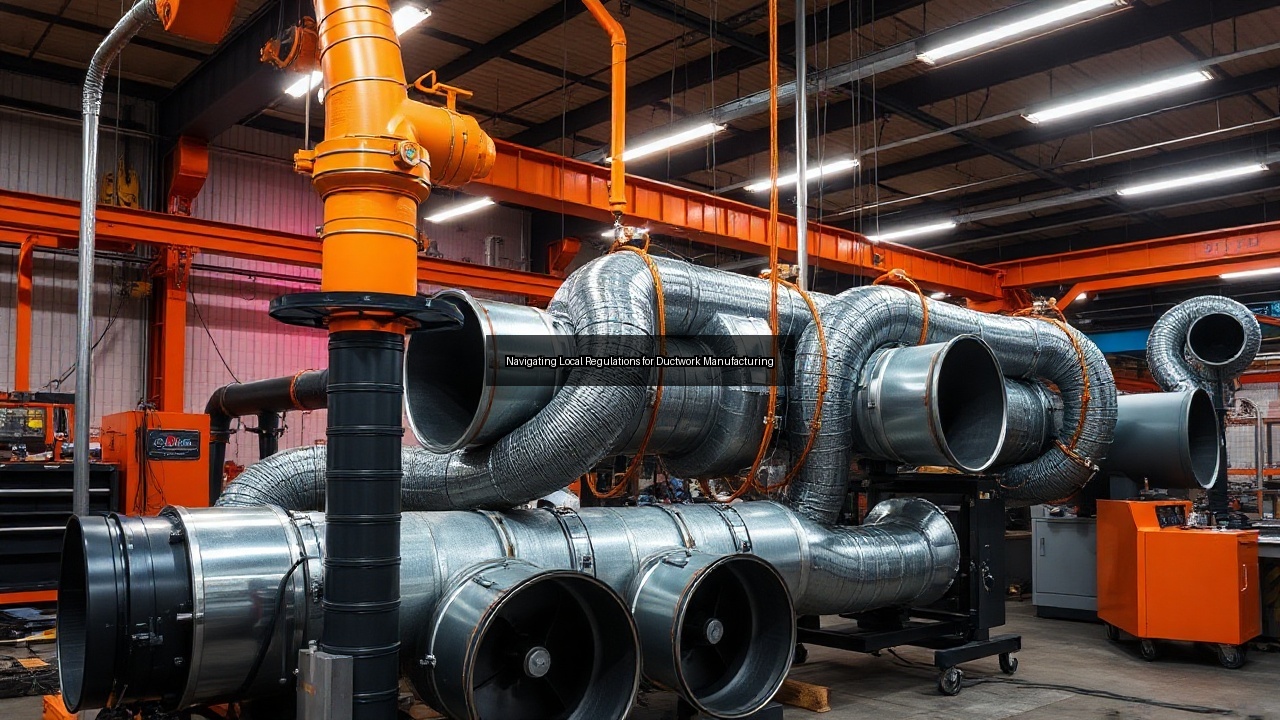
Understanding Local Regulations for Ductwork Manufacturing
Importance of Compliance in Duct Fabrication
Compliance in ductwork fabrication isn't just a legal obligation; it ensures safety, efficiency, and performance. HVAC systems rely heavily on properly constructed air ducts to distribute conditioned air throughout buildings. Non-compliance can lead to significant issues, such as air leaks, reduced energy efficiency, and even health risks due to poor air quality. Fabricators must adhere to local regulations to guarantee that their duct systems meet established safety and performance standards. This compliance not only protects the end-users but also enhances the reputation of the ductwork manufacturer. Furthermore, regulatory adherence can help avoid costly fines and rework, making it a vital aspect of the fabrication process.
Key Regulatory Bodies Overseeing Ductwork Standards
Several regulatory bodies govern ductwork standards, each playing a crucial role in ensuring compliance and safety in duct fabrication. The American Society of Heating, Refrigerating and Air-Conditioning Engineers (ASHRAE) sets widely recognized standards for HVAC systems, including duct design and installation. The National Fire Protection Association (NFPA) focuses on fire safety regulations relevant to air ducts, particularly in commercial settings. Local building codes, often enforced by municipal or county authorities, add another layer of governance. These local codes can vary significantly, emphasizing the need for manufacturers to stay updated on the specific regulations applicable to their region. Understanding the interplay between these organizations helps ductwork manufacturers navigate the compliance landscape effectively.
Common Local Codes Affecting HVAC Ducts
Local codes impacting HVAC ducts can encompass various aspects, including materials, installation methods, and energy efficiency standards. Many regions enforce codes that dictate minimum insulation levels for air ducts, which helps in maintaining energy efficiency and reducing operating costs. Additionally, certain areas require the use of specific materials, such as galvanized steel or fiberglass, in duct construction to enhance safety and performance. Some codes also address duct sealing methods, ensuring that air leakage remains within acceptable limits. To avoid delays or penalties, manufacturers must familiarize themselves with these local codes. A thorough understanding enables them to design ductwork systems that not only comply with regulations but also stand out in terms of quality and efficiency.
The Ductwork Fabrication Process: Regulatory Considerations
Materials Used in Duct Manufacturing and Their Regulations
The choice of materials in ductwork fabrication significantly influences both compliance and performance. Regulations often specify acceptable materials based on durability, fire resistance, and energy efficiency. For instance, galvanized steel remains a popular choice due to its strength and resistance to corrosion. However, local regulations may require specific coatings or treatments to enhance safety, particularly in environments prone to moisture. Additionally, manufacturers must consider the environmental impact of their materials. Some regions enforce sustainability standards that encourage the use of recycled or environmentally friendly materials in duct systems. Understanding these material regulations is crucial for manufacturers aiming to produce high-quality, compliant ductwork that meets market demands.
Permitting Requirements for Duct Fabrication Services
Obtaining the necessary permits for duct fabrication services is a critical step in ensuring compliance. Many jurisdictions require manufacturers to secure permits before commencing any ductwork project. These permits often involve inspections and approvals at various stages of the fabrication process. The permitting process can include submitting detailed plans that outline the specifications and intended use of the duct systems. Delays in obtaining permits can lead to project holdups, affecting timelines and budgets. Therefore, manufacturers should proactively engage with local authorities to clarify the requirements and streamline the permitting process. This proactive approach not only ensures compliance but also fosters a good working relationship with regulatory bodies.
Quality Control Measures in Duct Systems
Implementing robust quality control measures is essential in the ductwork fabrication process. These measures ensure that the final product adheres to both local regulations and industry standards. Quality control can encompass various aspects, from material selection and fabrication techniques to final inspections and testing. Regular audits of the manufacturing process help identify potential areas for improvement and ensure compliance with established standards. Manufacturers should also invest in training their workforce on the importance of quality control in duct systems. A well-trained team can spot deviations from standards early in the fabrication process, reducing the risk of non-compliance and enhancing the overall quality of the ductwork produced.
Tools and Resources for Navigating Ductwork Regulations
Using Calculators for Duct Length and Airflow Requirements
Accurate calculations of duct length and airflow requirements are vital for designing effective duct systems. Various calculators are available to help manufacturers determine optimal duct sizes and configurations based on specific airflow needs. These tools assist in ensuring that the HVAC ducts are capable of delivering the required air volume while minimizing energy loss. By inputting factors such as room dimensions, desired airflow rates, and duct material, manufacturers can obtain precise measurements that comply with local regulations. Utilizing these calculators not only streamlines the design process but also aids in producing compliant ductwork systems that perform efficiently and effectively.
Finding Local Codes and Standards for Duct Systems
Identifying local codes and standards for duct systems can be daunting, given the variations across regions. Manufacturers can start by consulting official government websites, where many municipalities publish their building codes and regulations. Industry associations, such as ASHRAE or the Air Conditioning Contractors of America (ACCA), also provide resources that outline compliance requirements. Networking with local professionals in the HVAC community can offer valuable insights into recent code changes and best practices. Staying informed about local regulations not only helps manufacturers avoid penalties but also ensures that their ductwork systems remain competitive and compliant in the market.
Consulting with Experts in HVAC and Ductwork Fabrication
Engaging with experts in HVAC and ductwork fabrication can provide invaluable guidance for navigating complex regulations. Professionals with extensive experience in the industry can offer insights into best practices, compliance strategies, and emerging trends. Consulting with regulatory specialists can help manufacturers understand the nuances of local codes and how to implement them effectively in their projects. Additionally, participating in workshops or industry seminars can enhance knowledge of current regulations and compliance requirements. By leveraging expertise, manufacturers can make informed decisions that promote not only compliance but also excellence in their ductwork fabrication services.